Prototypes are common. Minimum Viable Products (MVPs) are rare, and Enterprise Client Access is rarer still.
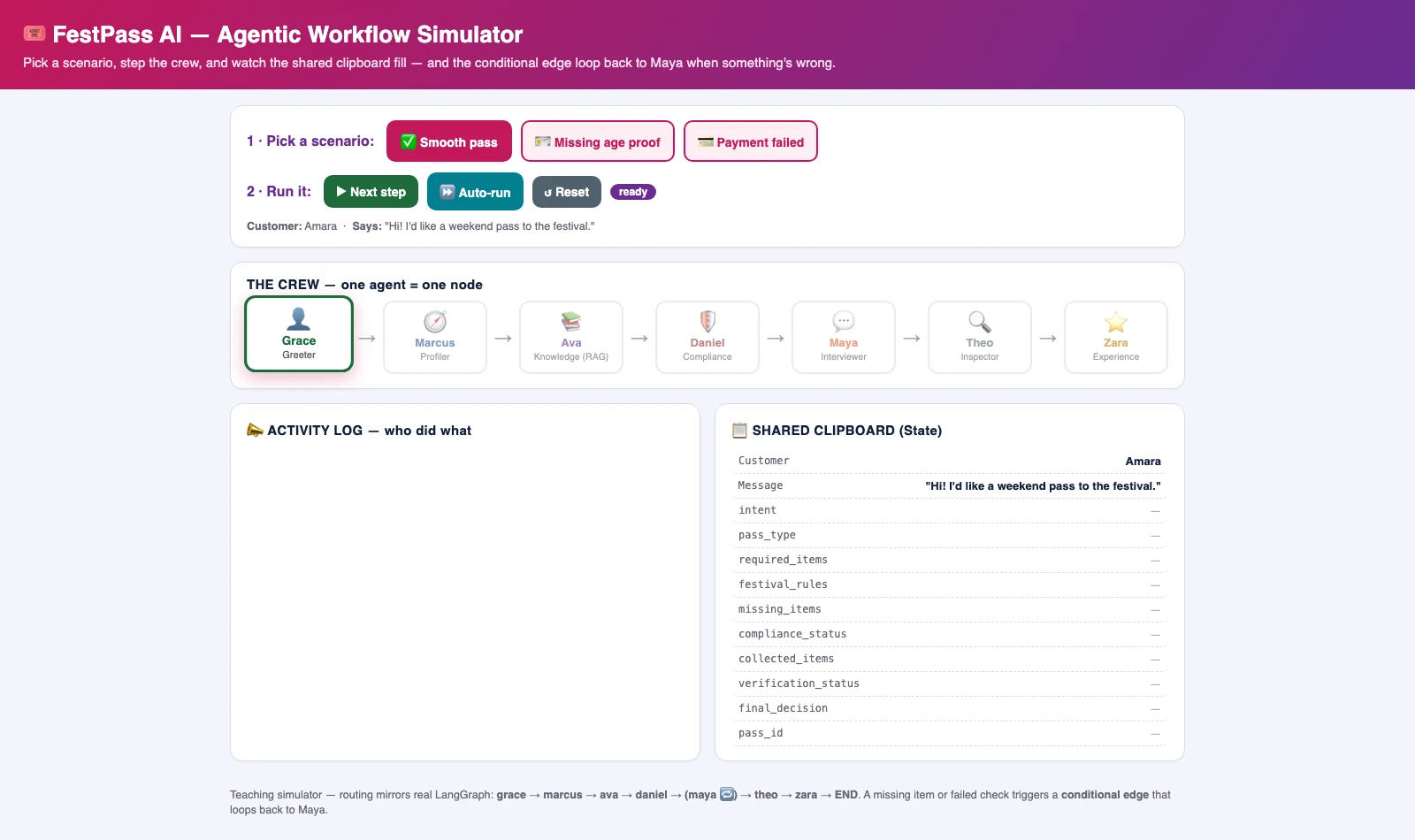
Every showcase solution addressed a brief from one of eleven real client organisations. The winning teams demonstrated working MVPs rather than static mock-ups: W.E.S with webhooks and REST endpoints code-complete and waiting only on the portal of the National Water and Sewerage Authority (NAWASA); A.I.D.A. running as an embedded widget inside a working clone of the website of Anguilla's Inland Revenue Department (IRD); ASPIRE AI running a live multi-model agent pipeline.
And the certification is earned rather than awarded — roughly three hundred hours of projects, with the certification projects requiring the whole curriculum to be applied rather than followed. Campers sat the official freeCodeCamp Python examination, and 50+ campers gained Python Certification — an externally verifiable global credential with a public certificate URL for each camper. That is the competency mandate in practice: a credential that demonstrates transferable skill and can be checked by anyone who cares to, rather than taken on trust.
The truth the numbers cannot hold
Access to these rooms is sacred. Having enterprise clients from the jump — rather than simulating them in an academic vacuum — permanently alters a young person's baseline of reality. A teenager who has briefed a bank, been cross-examined by a regional technical panel, and shipped a working product has had their trajectory changed. They no longer see themselves as students completing an assignment; they are digital producers delivering undeniable business-to-business (B2B) value. Doors, networks, and self-belief are now open that were closed the week before.
What happens now
Alumni pathways begin with Junior Consultants, scaling up to AI and agentic architects and leaders. But the reality of this ecosystem has already outpaced a standard alumni track: the client engagement is continuing.
Several participating enterprises have recognized these youth-built MVPs not as temporary camp projects, but as critical, ongoing operational concerns. Teams are currently in discussions to continue working with the institutions they built for. The implication here is massive: we are watching the real-time incubation of new, youth-led tech startups. By holding onto these enterprise relationships, these teenagers are transitioning from campers into tech founders and vendors.
Each territory is running its own instance, while clients carry their MVPs toward live deployment hand-in-hand with the young architects who engineered them.
The camp ends. The ecosystem it lit does not.